There are so many cafes in Korat. I like Yellow Pumpkin, Hooya, but also some near ones like B.Blanche or Celsius near Bung Ta Lua. Rustic Barista still have the best Cuban Sandwich in town… 🙂
However, the only place to probably have an hydrogen coffee is called « Sunday Afternoon ». It opens in the morning, never the same, probably around 10am and closes early, maybe 3-4pm. But the hydrogen coffee is very special. Flavors of blueberry, apple, pineapple, you never know which one they will have on the day. The place is tiny, the owner is super cool. They play nice music. One glass is not cheap : 120 baht for a coffee but the flavors are just amazing. If you do not like sweet things, maybe it is not for you. It’s a special mix of bitter, sweet, coffee, ice, fruits, that I never experienced before. And just on the corner of where I live…
owner serving 2 clients.Small shack but very welcomingOnewheel and coffee.That’s probably the pineapple one…
About This Place
Sweet Cafe Korat – Dessert and Coffee Destination. Sweet Cafe makes everything from scratch using the freshest ingredients sourced as locally as possible, perfect for coffee and dessert lovers. Popular spot for locals and expatriates in the region.
Have questions about living or working in Thailand? Contact Sebastien Brousseau – French-speaking lawyer based in Korat (Nakhon Ratchasima).
Koh Kood: Thailand’s Most Beautiful Undiscovered Island
Thailand has no shortage of beautiful islands, but most of the famous ones — Phuket, Koh Samui, Koh Phi Phi — have been developed far beyond their natural carrying capacity. Koh Kood (also spelled Ko Kut) is something different: one of Thailand’s largest islands, fourth in size nationally, with extraordinarily beautiful beaches and jungle interior — and a fraction of the tourist infrastructure of its more famous neighbors.
I made the trip from Korat to Koh Kood, which involves heading east through the provinces to the Gulf coast. It takes time but is absolutely worth it.
What Makes Koh Kood Special
Koh Kood’s beaches are genuinely among the most beautiful in Thailand. The water is clear and shallow over the reef, fading from pale turquoise to deep blue. The sand is white and fine. And unlike Ko Samet or Ko Chang, you are not competing for a patch of beach with hundreds of other tourists.
The interior of the island is largely intact jungle — waterfalls, rubber plantations, small Khmer and Thai communities. The main settlement is a genuine fishing village, not a tourist strip. Koh Kood feels like what Thailand’s islands were 20 years ago.
The Best Beaches
Ao Khlong Chao: The longest beach on the island, with a beautiful lagoon at its northern end fed by the Khlong Chao waterfall. Walking up the river to the falls through the jungle is one of the island’s highlights.
Hat Tapho: A quieter stretch with excellent snorkeling offshore.
Ao Bang Bao: On the southwest coast, with particularly clear water and a handful of excellent small resorts nearby.
Khlong Chao Waterfall
The island’s signature inland attraction is the Khlong Chao waterfall — a series of cascades accessible by a short walk through the jungle from the beach. Swimming in the pools below the falls is excellent. The river running to the sea forms a beautiful estuary with calm, clear water ideal for kayaking.
Getting There from Eastern Thailand
From Korat (Nakhon Ratchasima), the journey to Koh Kood involves driving east to Trat province (approximately 4-5 hours) and then taking a ferry from Laem Ngop pier (approximately 2 hours to the island). The drive through the eastern provinces — Nakhon Ratchasima → Sa Kaeo → Chanthaburi → Trat — passes through interesting countryside, including Thailand’s gemstone trading heartland in Chanthaburi.
Practical Tips
Best season: November to April. The island faces the Gulf of Thailand and is affected by the northeast monsoon from November, but conditions are generally better than the Andaman coast during this period.
Getting around: Rent a motorbike — the island is large and accommodation is spread out along the coast. Roads are good.
Where to stay: A range of options from basic bungalows to luxury eco-resorts. Book in advance for high season (December-January).
Food: Fresh seafood is excellent and cheap — the fishing village has proper seafood restaurants that supply Bangkok.
Conclusion
Koh Kood is what you look for when the famous Thai islands have started to feel like theme parks. It offers genuine natural beauty, real tranquility, excellent snorkeling, and the feeling that you have found something still relatively unmarked on the tourist map. From Korat, it is a worthwhile long-weekend destination. Highly recommended.
One of the pleasures of living in a city like Korat is that unexpected restaurant discoveries are still possible. Smaz Bistro is one of those places — a restaurant that brings a level of culinary ambition and execution that you might not expect in a provincial Isaan city, but that is entirely welcome when you find it.
The Concept
Smaz Bistro positions itself as a modern bistro — the term is loosely used in Thailand, but here it means a restaurant with a thoughtful menu, quality ingredients, and an atmosphere that aims for sophistication without being stuffy. The menu draws on both Western and Thai-fusion influences, executed with attention to detail.
This is not a restaurant where you point at a picture on a laminated menu. It is a place where someone in the kitchen has made real decisions about food and flavor.
The Menu
The Smaz Bistro menu changes seasonally and features:
Starters: Creative takes on both Thai and Western small plates. Expect unexpected flavor combinations and proper plating.
Mains: A mix of European bistro classics (steak, fish, pasta) alongside Thai-inspired dishes that go beyond the standard tourist menu.
Desserts: A genuine dessert section — something many Korat restaurants neglect — with both Western and Asian options.
The ingredients are sourced thoughtfully. This matters in Thailand — the gap between a chef who sources carefully and one who does not is vast in terms of what ends up on the plate.
The Atmosphere
The decor is clean, modern, and unpretentious. Good lighting (neither the fluorescent glare of Thai street food nor the too-dark « atmosphere » lighting of mediocre hotel restaurants), comfortable seating, and a level of quiet that allows actual conversation. Service is attentive without being intrusive.
Smaz Bistro works as a date restaurant, a place for a working dinner, or a destination for a meal you want to actually remember.
The Drinks
A proper drinks menu accompanies the food — wine, cocktails, good coffee. The wine list is not extensive but is selected with care, which is more than can be said for most Korat restaurants that have wine lists.
Price and Value
Smaz Bistro is priced above the average Korat restaurant but below what you would pay for comparable quality in Bangkok or a major tourist destination. For the quality of food and experience, it represents genuine value.
When to Go
Evenings are the best time, when the restaurant is properly set up for dining rather than rushed lunch service. Weekend reservations are a good idea — particularly for Friday and Saturday evenings when the restaurant fills with Korat’s dining-out community.
Conclusion
Smaz Bistro is one of those restaurants that elevates a city’s dining scene. Not every meal out in Korat needs to be street food or a Thai restaurant (wonderful as those are) — sometimes you want skilled cooking, a proper table, and a genuine dining experience. For those moments, Smaz Bistro is the answer.
The main part of Korat naughty nightlife. These are the most popular places for men looking to have some fun. And there are many of them in Korat. These are not « Soapy massage » places but even without the soap, you will get the full service! All of them were closed during COVID but are re-opening on June 1st 2022 as announced by the government.
This is a post from our forum that we updated in June 2022.
================================
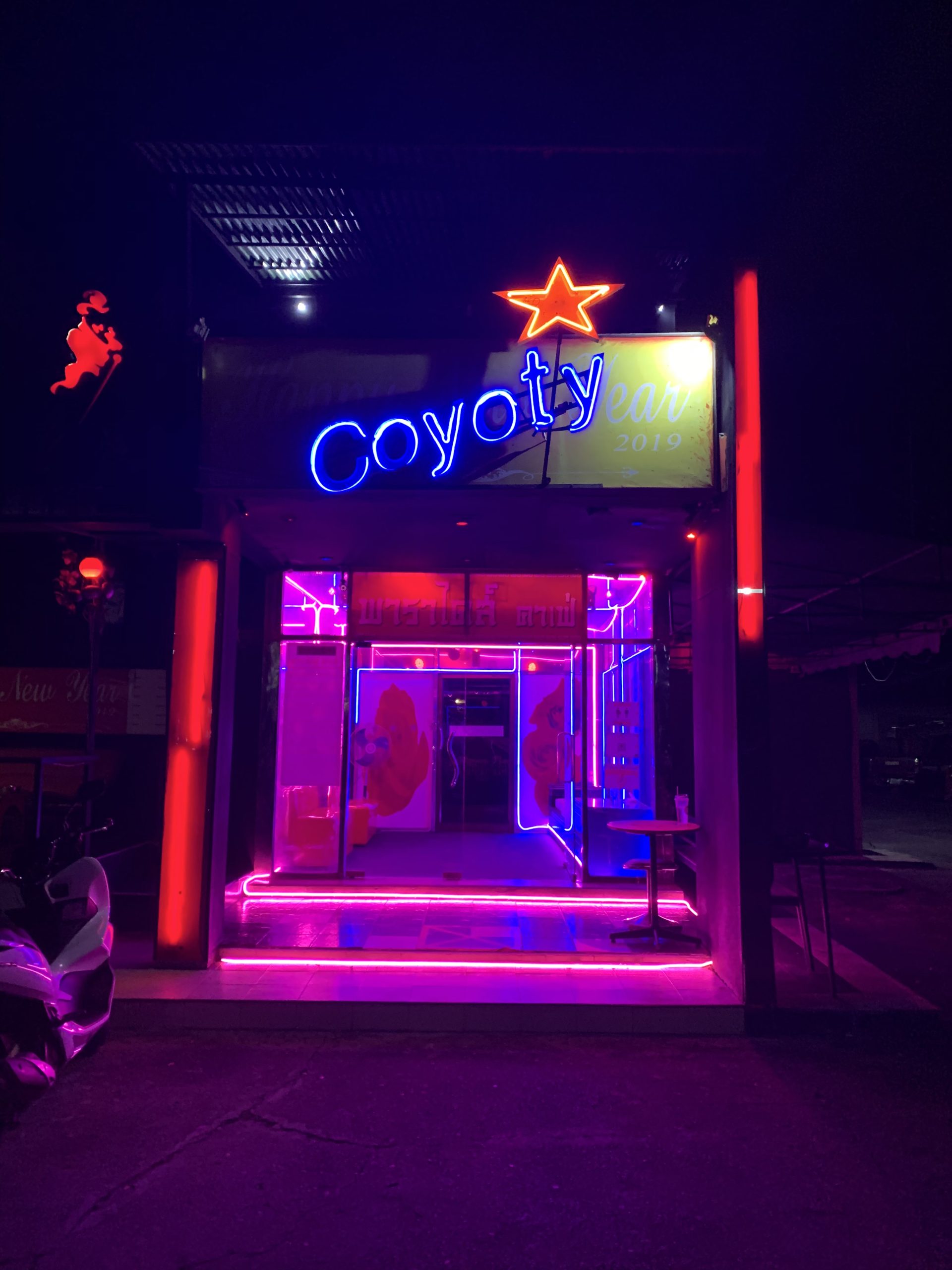
Coyote Bars« girly » bars, where you buy the girls drinks, enjoy their company and perhaps negotiate something more. However, Korat is not Bangkok or Pattaya and you may find that no-one speaks any English
All coyote bars in Korat are free to enter. Some close at 4am. Girls will want you to buy them Tequila, often more than one, and you will pay 125 to 150 baht for a shot. Some money obviously goes to these ladies and after a quota of ‘x’ number of ladydrinks have been bought some of them can finish their night and go home. Most of these ladies will have boyfriends but as this is Thailand everything is negotiable. With a few beers, a few tequila shots, you might end up with a bill of 1,000 baht.
There are also many Karaoke places for Japanese clients. These are normally very expensive. One or two are on Jomsurang Road, not too far from Klang Plaza. One near V-One hotel, another one near 8 Bistro and one near the Sima Thani hotel. Ask the prices before ordering drinks or a girl sits with you. You normally have to pay for a lady to sit with you unlike in Coyote bars where you pay for their drinks but not their time. These places open and close very quickly and might not be the same six months on. I remember ordering two beers once, stayed an hour, and got a bill for 4,500 baht…
Gogo-Bars. As in The Hangover 2; the typical perception of Thailand nightlife
None in Korat.
“freelancersâ€i.e. girls ‘looking for business’ on the street
Sometime found in the park near Yamo statue in the centre of town. They are there at night, maybe after 10pm until very late. The price will be 300-500 baht, some are younger, some older. You must pay the hotel around 100-120 baht for a short time. These are not luxurious hotels, and be careful about diseases. Yamo park (also called Suan Ruk) has been well known for many years but the police do try and clean the place up every once in a while.
Another spot for freelancers is in just in front of Chao Phraya hotel (Now called May Flower). These ladies, younger and sometimes attractive are 1,500 baht upwards for foreigners. You often have to discuss with the tuktuk drivers to settle the price. And then you must find a room. Also near Chayapreuk hotel (there is an Amazon coffee there).
Massage parlors
The main part of Korat naughty nightlife. These are the most popular places for men looking to have some fun. And there are many of them in Korat. These are not « Soapy massage » places but even without the soap, you will get the full service! All of them were closed during COVID but are re-opening on June 1st 2022 as announced by the government.
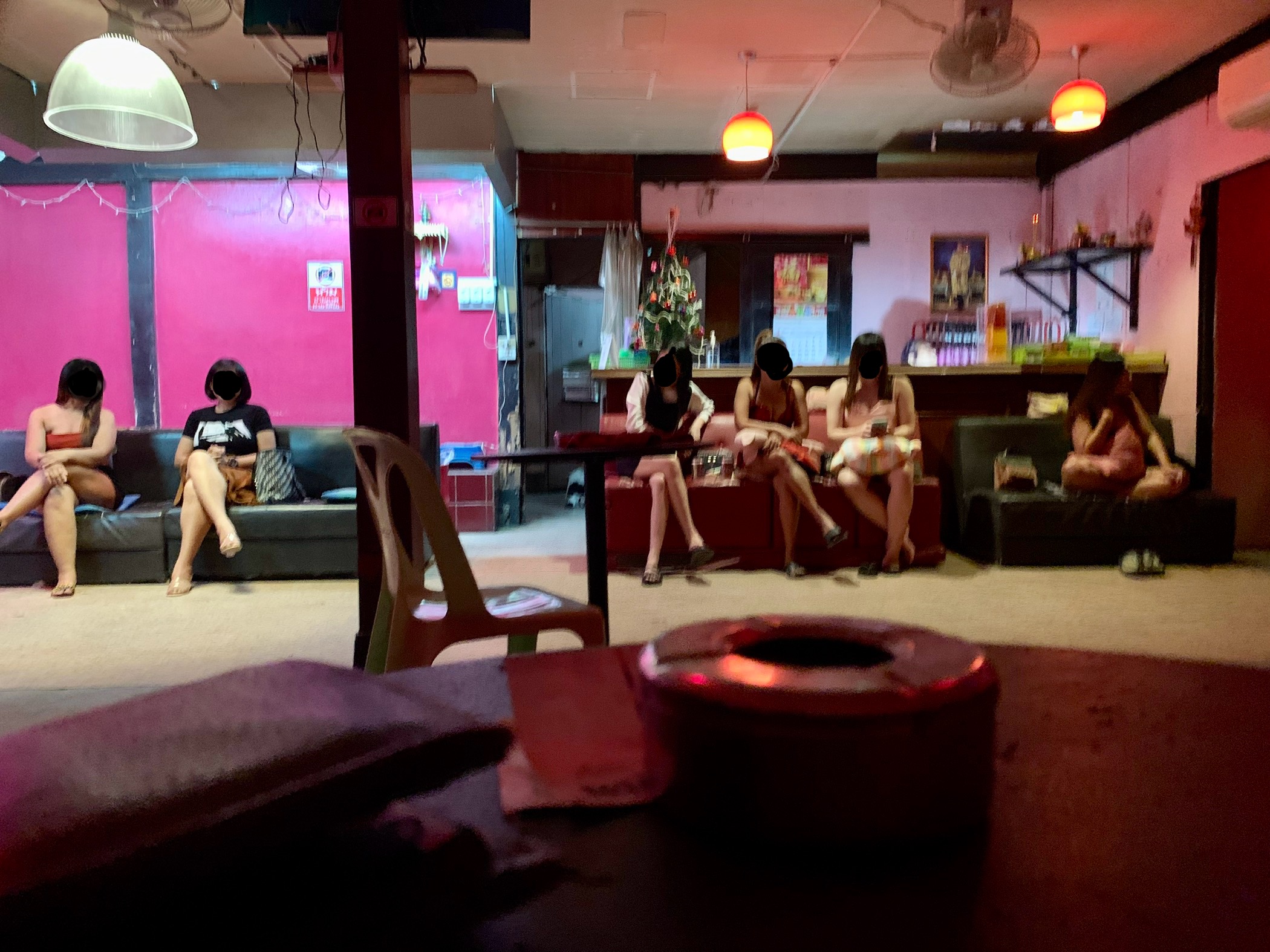
At ANY of these places, you normally pay a fee that will include a lady for one and half hours for massages and more. They all have some private rooms, some with a bathtub, some with showers, and some without anything. You can also just go and have a beer.
For 1,000-2,000 baht, you can get a massage, a bath or shower, and a good time. I always include a beer with it!
The most famous massage parlors in Nakhon Ratchasima are: (These places operate with a license of full service)
Ginza, in front of Klang Plaza 2. Probably the best and cleanest, girls from 1,200 to 2,300. Behind the glass, these are cheaper than the ones on the sofa.
Babylon is in the parking lot of Korat Hotel, beside what was called Speed 2. A lady is manager (or was manager, things change quickly) and they normally have a good selection.
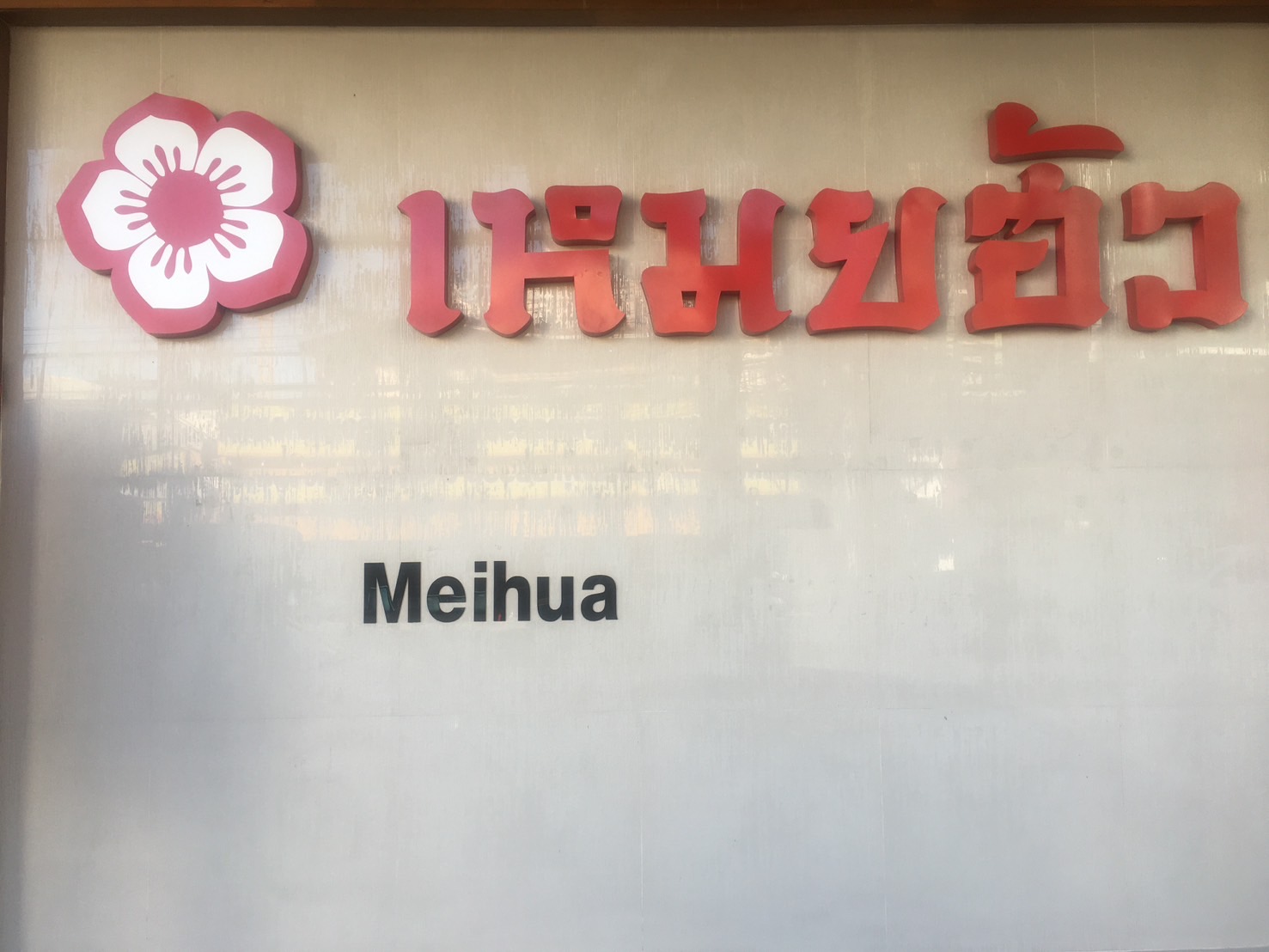
The previous places will close at around midnight. There are other massage places where more is on offer. You pay about 300 to 500 for a normal massage, you can get drinks if you want, and then you negotiate with the lady if you want more than a massage, which is normally between around 1,000 baht. Look for Erawan, and « MeiHua » (Beautiful flower in Mandarin). The manager there on day time can speak English, Mandarin and some Japanese. In these massage places, some ladies will not do more than a massage but most do (and will let you know if they do). In 2019 the health ministry has asked massage places to remove their advertising about « massage » as they offer more than massages (and the massages are often sub-standard). Meihua has currently the best selection and it’s open 24/24.
Massage parlour in Chao Praya Hotel. Not sure what you can get there… but around this area, it is normally whatever you want!!
Paza. A quiet place, open for YEARS and YEARS (maybe 30 or 40 years). Nice place, nice selection, 1,000 to 1,600 (rare) but the rooms are quite old. It is a little bit like Osaka.
Osaka is a place near the Five Way intersection. It also used to be one of the first massage parlours when the Americans were in town for the Vietnam war. Osaka is still open, just beside Mix. Osaka might be the best place during daytime.
Palace, close to KoratChef. There are ladies just for massage and others for much more. Similar prices to Ginza, Paza, Babylon. There was another place in front of the Palace that was closed down recently.
If you want another naughty place, ask Thai people where is located BAAN SI CHOMPU (or the pink house). Foreigners are normally NOT welcome there. It’s a Thai place. Location is https://goo.gl/maps/9KeTnNe235F2
This restaurant opened in 2013 in Nakhon Ratchasima. It is located near Vongchavalitkul university in Korat, just behind it. That is the Buddhist university near Makro. You must continue toward Khon Kaen, and just after the university, take the first road on the left. Continue at the end and turn left. It should be not far on your right.
Prices are very reasonable and they have good pizzas and good schnitzel. Also Thai food.
This is a small place in a soi that a Thai friend of mine showed me. It’s located directly in the soi beside Klang Plaza 1. The shop is closed on Sunday. It normally opens in the morning (not sure what time) and closes around 3:30pm.
The Thai Tea is delicious, sweet, 15 baht for a bag. What a treat!!! I was told this place is opened for more than 50 years and it is so good, you might see a line up in front of this place. A must try in Korat because you won’t see much of these places in the future.
Location: 14.976069054399941, 102.10160372069731 on google maps. Just paste these numbers.
Visitor Tips
Located in Nakhon Ratchasima (Korat), this is one of the many dining options available to visitors and expats in the Isaan region of Thailand. When visiting restaurants in Korat, it is customary to order several dishes to share. Most restaurants in this area serve both Thai and international cuisine, and staff often speak some English.
Getting There
Nakhon Ratchasima (Korat) is located approximately 250 km northeast of Bangkok. You can reach Korat by bus from Bangkok’s Mo Chit terminal (about 3.5 hours), by train from Hua Lamphong station, or by minivan from Chatuchak. Tuk-tuks and songthaews (shared trucks) are the most common local transport within the city.
About Isaan Cuisine
The Isaan region of northeastern Thailand has its own distinct culinary tradition, influenced by Lao and Khmer cultures. Signature dishes include som tam (spicy papaya salad), larb (spiced minced meat salad), sticky rice (khao niao), and grilled chicken (gai yang). Food in Isaan tends to be spicier and more sour than central Thai food, using ingredients like padaek (fermented fish sauce) and fresh herbs.
Takka Floating Market: Traditional Thailand Without the Tourist Gloss
Thailand’s floating markets have become iconic — and many of the most famous ones, particularly near Bangkok, have become so thoroughly optimized for tourists that little remains of their original character. For visitors wanting the real thing — a market where Thais actually sell to other Thais, where the food is excellent and cheap, and where the atmosphere is genuinely traditional — the Takka Floating Market in Nakhon Ratchasima province is one of the best options in central-northeast Thailand.
What to Expect
The Takka market operates on weekends and public holidays along a canal fringed by mature trees and traditional wooden houses. Vendors in small wooden boats sell:
Fresh produce: tropical fruits, vegetables, herbs, and chilies.
Prepared food: grilled meats on skewers, pad thai, sticky rice, som tam, fresh noodle soups.
Traditional Thai sweets and desserts.
Local crafts and fresh flowers.
You can buy food from the boats or eat at tables along the canal banks. Everything is priced for local customers — expect to pay 30-80 THB for most dishes.
The Atmosphere
What makes Takka special is precisely its ordinariness. This is not a performance for visitors — it is a weekly market that locals use to socialize, eat well, and pick up fresh produce. Old friends meet on the canal bank. Children run around. The smell of grilled pork and fresh herbs drifts across the water.
As a foreigner, you will attract friendly curiosity rather than aggressive sales pitches. People are pleased you made the effort to find them.
Getting There from Korat
Takka is located in the greater Nakhon Ratchasima area, reachable from Korat city by car or motorbike in about 30-60 minutes depending on your exact starting point. A car or hired vehicle is the most practical option as public transport connections to this specific market are limited.
The best approach is to check the current operating days and hours locally before making the trip, as floating markets in Thailand can change their schedules seasonally.
Tips for Visiting
Arrive early — the best selection of food and the most atmospheric time is in the morning, typically from 7am to noon.
Bring cash — small bills preferred. Card payments are not accepted at market stalls.
Eat freely — this is one of those places where pointing at what looks good rarely disappoints.
Bring a bag for any fresh produce or crafts you want to take home.
Floating Markets in Thai Culture
Floating markets have existed in Thailand for centuries, arising naturally in a country where waterways were the primary transport and trade routes. As roads replaced rivers, most traditional canal markets disappeared. Those that survive — particularly in rural areas away from the tourist industry — are genuinely precious pieces of living cultural heritage.
For more on Korat and the surrounding region: see our Isaan guide and our many posts on Korat restaurants and local life.
Conclusion
The Takka Floating Market is not on most travel itineraries — which is exactly why it is worth going. A morning here, eating fresh noodles from a boat on a shaded canal while locals go about their weekend, is a more authentic slice of Thai life than most famous tourist attractions can offer.
Rules for Foreigners Buying Condominiums in Thailand
Buying a condominium is the most straightforward path for foreign nationals who want to own real estate in Thailand in their own name. Unlike land and houses, condominiums can be legally owned by foreigners under the Condominium Act B.E. 2522 (1979) and its subsequent amendments. However, there are important rules, restrictions, and practical steps to follow to ensure your purchase is fully legal and protected.
The 49% Foreign Ownership Quota
The single most important rule for foreign condo buyers is the foreign ownership quota. Under the Condominium Act, no more than 49% of the total floor area of any condominium building can be held by foreigners. The remaining 51% must be owned by Thai nationals or Thai juristic persons.
In practice, this means:
Before purchasing, always verify the current foreign ownership percentage in the building
Request a certificate from the condominium’s juristic person (นิติบุคคลอาคารชุด) confirming the available foreign quota
If the foreign quota is full, you can still purchase but only under Thai name (e.g., through a Thai company or in a Thai person’s name) — which introduces significant risk
The Foreign Exchange Transaction (FET) Form
To register a condo in a foreigner’s name at the Land Department, you must present a Foreign Exchange Transaction (FET) form (formerly called a Thor Thor 3 form). This form confirms that the purchase funds were transferred from abroad in foreign currency and converted to Thai Baht in Thailand.
Key requirements for the FET form:
The remittance must be from a foreign bank account in foreign currency (not Thai Baht)
The amount must be at least equal to the purchase price
The form is issued by the Thai bank receiving the transfer
One FET form per transaction; if funds are remitted in multiple transfers, you need multiple forms
Important: Do not transfer purchase funds in Thai Baht, even from a Thai bank account held abroad. The Land Department requires evidence of foreign currency transfer.
Due Diligence Before Buying
Never purchase a condo in Thailand without thorough due diligence. Key checks include:
Title Deed (โฉนด)
Request a copy of the title deed (Chanote) for the unit. Verify the unit number, floor, building, and total floor area match the sale agreement. Ensure there are no registered encumbrances, mortgages, or liens on the title.
Condominium Juristic Person Documents
Ratio of foreign ownership: Confirm the building is within the 49% foreign quota
Financial health of the juristic person: Check sinking fund balance and maintenance fund status. Unpaid common area fees can become the buyer’s liability
Pending litigation: Ask whether the building has any ongoing legal disputes
Developer Background (Pre-Sale Projects)
If purchasing off-plan (before construction), check the developer’s track record, verify they hold a valid Construction Permit (ใบอนุญาตก่อสร้าง), and ensure funds are held in an escrow account. Pre-sale contracts in Thailand offer limited statutory protection — legal review is essential.
Transaction Process and Costs
Step-by-Step Purchase Process
Sign a Reservation Agreement and pay deposit (typically 1–3% of purchase price)
Negotiate and sign the Sale and Purchase Agreement (SPA)
Remit funds from abroad and obtain the FET form(s)
Attend the Land Department transfer (both buyer and seller, or authorised representatives with POA)
Receive the updated title deed in your name
Transfer Costs
Fee
Rate
Paid By
Transfer Fee
2% of appraised value
Usually split 50/50
Specific Business Tax (SBT)
3.3% of sale price or appraised value (whichever is higher) — if seller owned <5 years
Seller (sometimes negotiated)
Stamp Duty
0.5% (applies instead of SBT if owned >5 years)
Seller
Withholding Tax
Progressive rate on seller’s gain
Seller
Common Mistakes to Avoid
Purchasing over the foreign quota: Units bought when the quota is full cannot be legally registered in a foreigner’s name
Using a Thai nominee: Registering in a Thai person’s name to circumvent the quota is illegal and leaves you with no legal ownership
Not checking the sinking fund: Large unpaid common fees can be transferred to the new owner
Signing contracts without legal review: Standard developer contracts heavily favour the seller. Always have a lawyer review before signing
Transferring funds incorrectly: Sending Thai Baht from overseas will not satisfy the FET requirement
Sebastien H. Brousseau is a French-speaking lawyer based in Korat (Nakhon Ratchasima), Thailand, with extensive experience helping expatriates and foreign nationals navigate Thai law. Contact us for a confidential consultation.
A visit to Korat offers more than just historical sites and local markets; it also holds hidden corners with tales of the night. One such place is a discreet brothel, colloquially known due to its distinctively pink walls, hence the local name “Si Chompu,†meaning ‘pink’ in Thai. This establishment, situated near the youthful and vibrant Utopia Bar and the historical 100 Years Market, caters predominantly to locals, including young Thai men serving in the military.
While Si Chompu offers services that extend beyond a simple massage, it’s important to note that this venue may not be the most welcoming to foreigners. Its discreet nature and local clientele contribute to a rather exclusive atmosphere, and while curiosity might lead you there, it’s advisable to proceed with caution. The place is a contrast of experiences; beer is inexpensively priced, which might seem inviting, but visitors should remain vigilant about their personal belongings, such as wallets and phones.
Visually, the brothel is rather unassuming yet distinct with its pink walls, a color choice not commonly seen in such establishments. Adding to the ambiance, Chinese lanterns usually hang outside, flickering in the night and inviting those who know of its purpose. These features set Si Chompu apart, making it a notable spot among locals, particularly those from the military who frequent the area.
If you choose to explore this facet of Korat, remember to respect the local customs and exercise discretion. While Si Chompu offers a peek into a lesser-known side of Thai nightlife, it also exemplifies the complex interplay of local culture and entertainment. Whether you’re drawn by intrigue or just passing by, Si Chompu remains a testament to the diverse and multifaceted nightlife of Nakhon Ratchasima.
There is a new restaurant in Korat called Jungle Jungle. It’s not easy to find but follow Google Map, it’s kind of opposite Home Pro on the bypass road, in a small street. The owner is Jeang and the food combines fusion, foreign and Thai style. We recommend the signature dishes.
EntrancePart of the menuanother part of the menuThat soup was delicious, can’t remember the name.cactus plantationbeautiful placePla Tu SushiI think that was the delicious cucumber salad (signature)special cocktails